Matter matters: implementing yet-another smart home standard

I’ve worked with a lot of different technologies and vendor ecosystems since I first started tinkering with home automation in 2011. It started with Z-Wave devices and ADT Pulse but expanded to include Google Nest, Amazon Alexa, HomeSeer, Homebridge, and Ring, with additional forays into things like HomeAssistant and Node-Red, plus a proliferation of new Z-Wave Plus and WiFi devices (I’ve never dabbled with Zigbee though).

My current system is built around HomeSeer on a HomeTroller Pi with an 800 Series Z-Wave hat, so adding new Z-Wave devices is easy. Devices that use WiFi, however, typically require using the vendor’s specific app, like Tuya, Kasa, or SmartLife, and then I have to use an additional plug-in for HomeSeer in order to be able to control them there. It gets complicated.

Matter is a new communications standard for smart home devices hoping to simplify that complicated sprawl. A Matter-enabled device will work with any Matter-enabled hub, can connect to multiple hubs at the same time, and most major vendors (like Apple, Google, Amazon, etc.) are adding Matter support to their devices.

Read more

Kwikset Halo Select Plus Touchscreen Smart Lock

Kwikset Halo Select Plus

Back in 2018 I added a pair of Kwikset 916 Z-Wave smart deadbolts to my home automation setup and they’ve been workhorses, devices we use every single day. They even survived my migration from ADT Pulse to HomeSeer. That being said, they were getting a little more frustrating to use, particularly because of the sluggish touchscreen and slow, noisy locking mechanism. Nothing major, but I’ve been on the lookout for more modern replacements.

I was hoping the new Kwikset Halo Select Plus WiFi/Matter-enabled smart locks would go on sale during Prime Days last month, but they didn’t so I went ahead, bit the bullet, and got two of them anyway.

Read more

Ring Battery Doorbell

Ring DoorbellIt’s funny that I’ve been using Ring products since 2021 when I put in the alarm system (and then moved to all Ring cameras in 2025) but still did not have Ring’s original product: the doorbell.

I guess timing is everything … during Amazon’s Prime Days event last month I noticed our everyday normal doorbell was coming out of the wall (bad grip into some crumbling cement for the lower screw) and the light had burned out. It still worked but since Amazon had their 2nd generation Ring Battery Doorbell on sale for $50, well …

Read more

Escaping the Pi-Hole for NextDNS

I’ve been running a Pi-Hole ad blocker on my home network (and a remote family network) in one way or another (local install on a RasPi, Docker container on a NAS, etc.) for over 10 years! Of course it only worked when we were at home, so my family had started noticing how cluttered their browsing experience was getting when they were out and about (and would usually complain to me). Then a recent Cox equipment change on the remote family network broke Pi-Hole’s functionality completely by not allowing changes to the default DNS at the router level. Sure I could have hard-coded the Pi-Hole IP address into to every device on the network, but instead I started investigating cloud-based DNS services and decided to give NextDNS a try.

Read more

Ring camera conversion, completed!

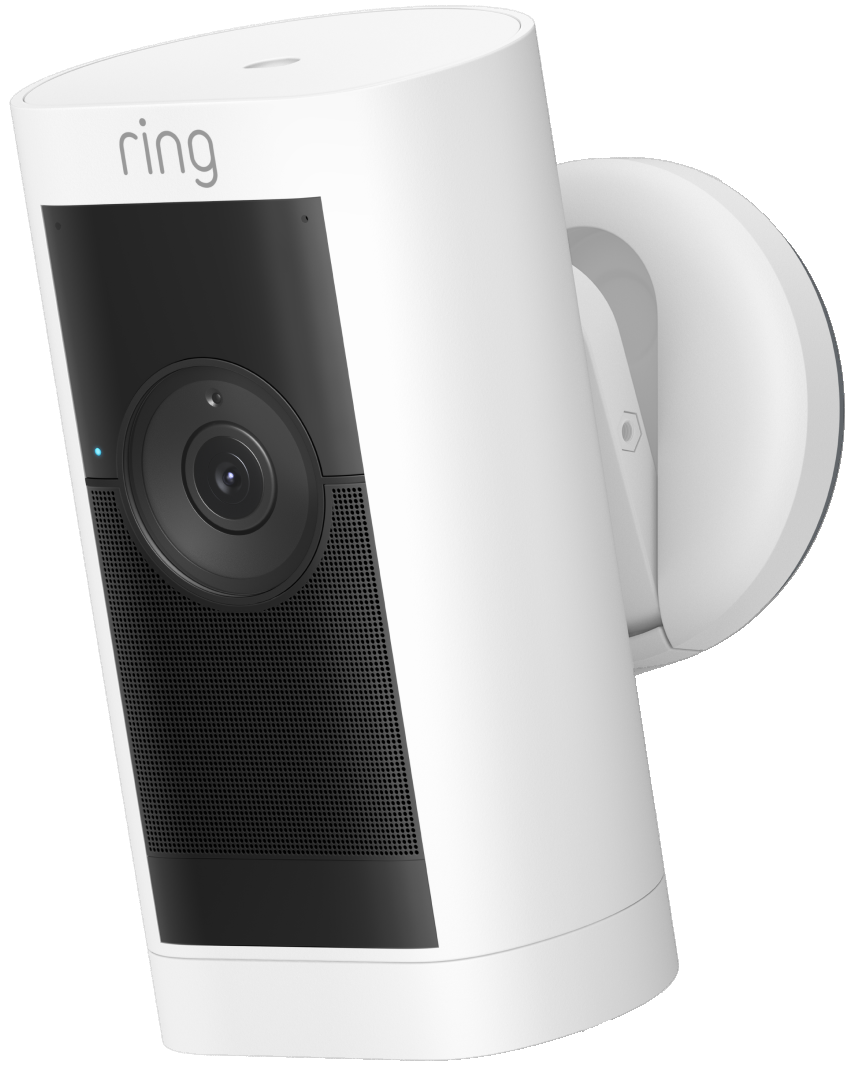
side yard (left) - nightI started my switchover from Google Nest cameras to Ring back in May 2023, replacing my indoor Dropcams with battery-powered Ring Stick-Up Cams. At the time, I kept my Nest Outdoor cameras because Ring did not have a constant recording option, but fast forward to 2025 and Ring has finally added 24/7 recording to certain plugged-in and hardwired cameras as part of their new Ring Premium plan (for $200/year). I was losing my grandfathered $10/month Ring Protect plan in March and last year Google raised the annual price of Nest Aware Plus to $150, so it was time to upgrade some hardware and consolidate. I didn’t end up saving money (professional monitoring is now an additional $10/month on top of Premium this is now included as of January 2026), but I did gain some convenience of finally being able to ditch Nest and manage all of my cameras in a single place (plus additional automation capabilities, but more on that later).

Read more

Leaving the (Google) Nest

I bought my first Dropcams back in 2014, right around the time Nest (which had acquired Dropcam) was acquired by Google. Then I added the Nest Thermostat in 2016 (which was later replaced in 2021 with a Z-Wave one during an HVAC system upgrade), the Nest Protect smoke/CO detectors in 2018, and finally a bunch of Nest Outdoor cameras in 2019 for a pretty complete ecosystem all managed very nicely from the Nest website and mobile app. I guess I should be happy I got almost 9 years (has it been that long!?) out of the Dropcams before Google announced they are no longer supporting them and they will cease to function on April 8, 2024.

Google is offering Dropcam customers free Nest Indoor cameras as replacements, which is surprisingly generous, but only up to two (and I still have three perfectly functional Dropcams). I went ahead and ordered the free cameras, but after a few days of using them, I’ve decided it’s time for me to leave the (Google) Nest.

Read more

Goodbye LastPass, hello Vault(Bit)warden

Unless you’re not interested in tech news or have been under a rock for the past two weeks, you’ve probably heard about the latest LastPass breach debacle. Two days before Christmas, every LastPass customer like myself received an e-mail informing us that, in a nutshell, back in August 2022 an unauthorized third-party had acquired LastPass vault backups from a cloud service. But don’t worry, they said! As long as you’ve got a strong master password, you should be fine. But not everything in your LastPass vault is encrypted, specifically URLs and now that this unknown threat actor has a list of LastPass customers, their vaults, and the URLs in those vaults, let the phishing attempts begin! Not to mention they have time to brute force the encryption on those vaults with poor master passwords. Even worse, since the initial announcement, there has been zero further details provided by LastPass, even on their own support forums (which are now full of message threads with other angry customers also leaving) and no mention of the breach at all on their homepage!

So yeah, after 12 years as a LastPass Premium/Families customer, I’ve switched.

Read more

Node-Red (with Ring and HomeSeer)

“Even with my tendency to tinker, adding yet another system on top of Homebridge seemed like too much to me.” – me, two months ago

Yeah, I said that back in late May (in reference to Scrypted) after getting Homebridge set up and integrated with my HomeSeer home automation system. But here I am, two months later writing about another integration to my system. This time, it’s Node-Red.

NR is “a flow-based programming tool for wiring together hardware devices, APIs and online services in new and interesting ways.” I had read about it on the HomeSeer forums (back when I was re-organizing my home automation setup and switched to Ring from ADT Pulse), and made some notes to look into it later as it seemed like a lot of people were using it to extend and integrate their automations with other systems. Last weekend I had some free time and decided to poke around and tinker with it.

Read more

Putting it all together – Ring, HomeSeer, and Alexa integration

2021 Home Security/Home Automation Re-Design [ Part 3 of 3 ]

A lot of my old Pulse automations were based on my ADT alarm sensors: open the door into the garage, turn on the garage lights; alarm armed in Away mode, randomize the indoor lights to make the house look occupied; burglar alarm goes off, turn on all of the lights, inside and out. Now that I’d separated the home security and automation systems into Ring and HomeSeer, I needed a way to integrate them together in order to accomplish the same tasks.

Luckily, both products work with Amazon’s Alexa, so a slick combination of Alexa routines and HomeSeer virtual devices became the glue I needed to hold my new system together!

Read more

Ring Alarm security system

2021 Home Security/Home Automation Re-Design [ Part 1 of 3 ]

I’ve been an ADT customer for almost 20 years. When we moved to Florida in 2001, our house already had a hard-wired alarm system put in by the previous owners so subscribing to ADT’s monitoring service was one of the first “utilities” we set up (along with the normal electric, water/sewer, and TV/internet). Over the past two decades we’d added more sensors/zones, switched from the old copper landline to cellular connection, and of course the big upgrade to Pulse back in 2011 that started my interest in home automation.

Unfortunately, the past few years have seen constant rate increases for ADT’s already expensive monitoring service, with little updates or new services being added to Pulse to justify the expense (rumor has it they are also pushing customers away from Pulse to Control). Additionally, we’d been experiencing an increase in false alarms being triggered by window sensors (ADT support: maybe the wind shook your window? Me: I live in Florida and have hurricane rated impact windows, the wind is not shaking my windows), always seemingly in the middle of the night and even with fresh batteries in the sensors. Finally, earlier this year ADT experienced a two-week outage of their Alexa skill, during which I made several calls to support speaking with clueless representatives who wanted to send a technician to my house! This was the last straw. I decided I was done wasting my time (and money) with ADT and it was time to look at new options.

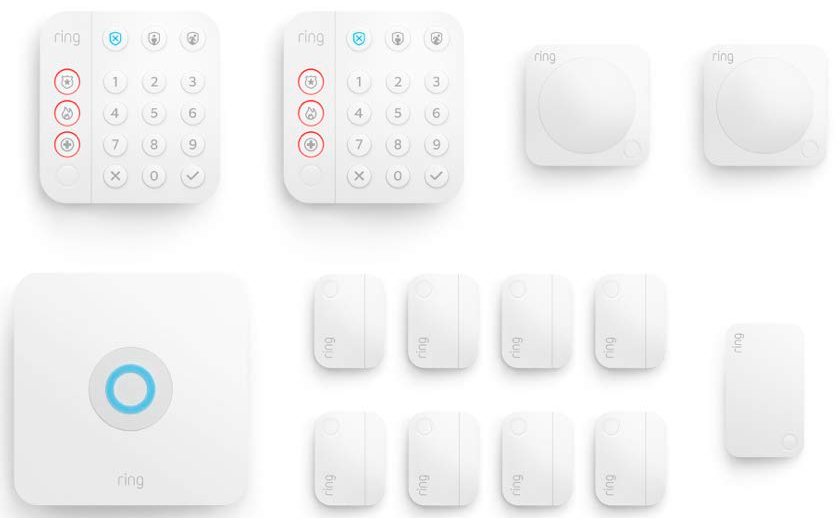
As you can tell by the title of this post, I chose the Ring Alarm security system.

Read more