This past weekend involved another road trip (July has been a busy travel month for us!).
My wife and daughter flew out to Houston on Thursday to kick off another week-long college visit road trip that will take them from Texas to Ohio. Friday evening, after work, I flew to meet them in Dallas. It had been probably over 10 years since I’d last been to DFW and was surprised to learn that you have to pay to go into the airport even if you’re just going to pick someone up! It cost my wife $2 to come in with the rental car and get me.
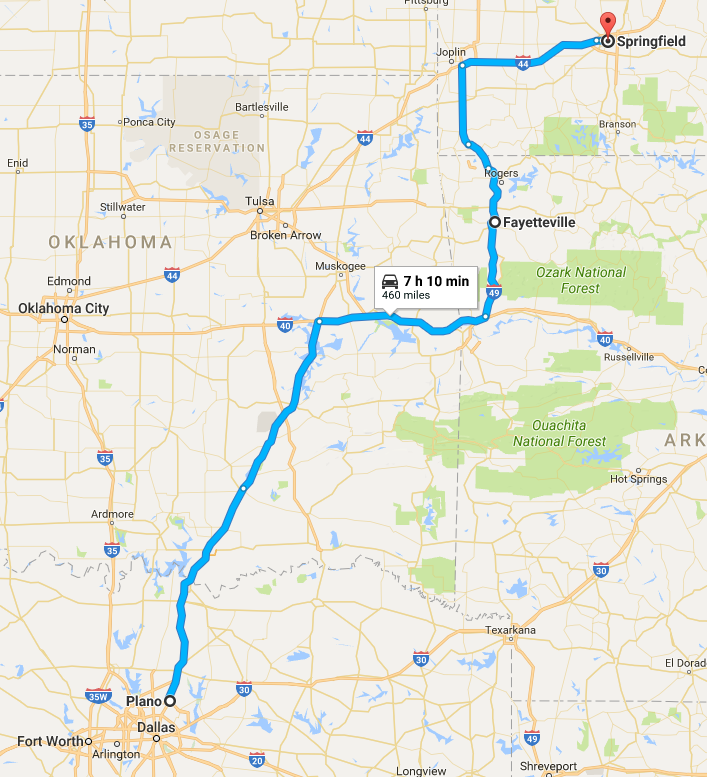
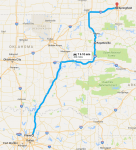
On Saturday, while my daughter was visiting with her boyfriend at UT Dallas, my wife drove me through the campus of SMU, which they had toured yesterday. We all met for lunch, and then at 1:30pm were on the road, heading north out of Dallas on US-75. At 2:20pm we crossed into Oklahoma and then three hours later were in Arkansas. We stopped for dinner in Fayetteville at Tacos 4 Life (great tacos!) at 6:30pm.
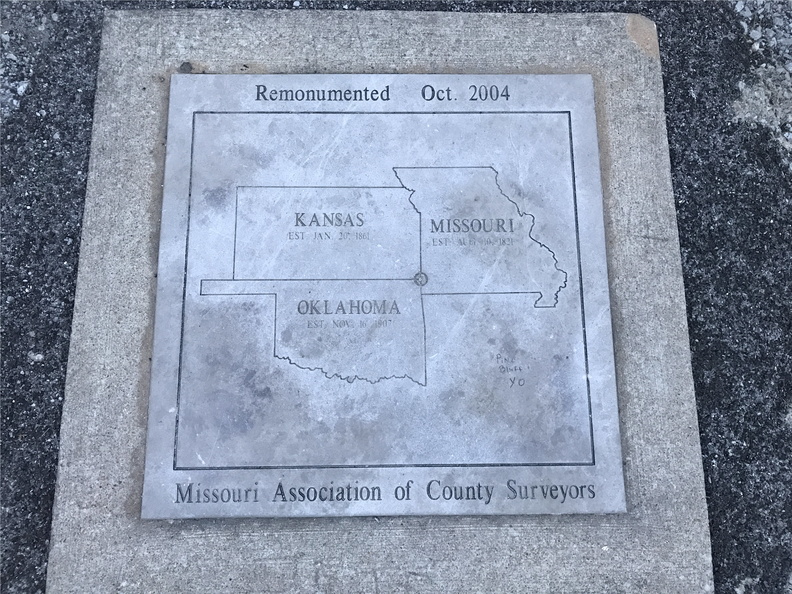
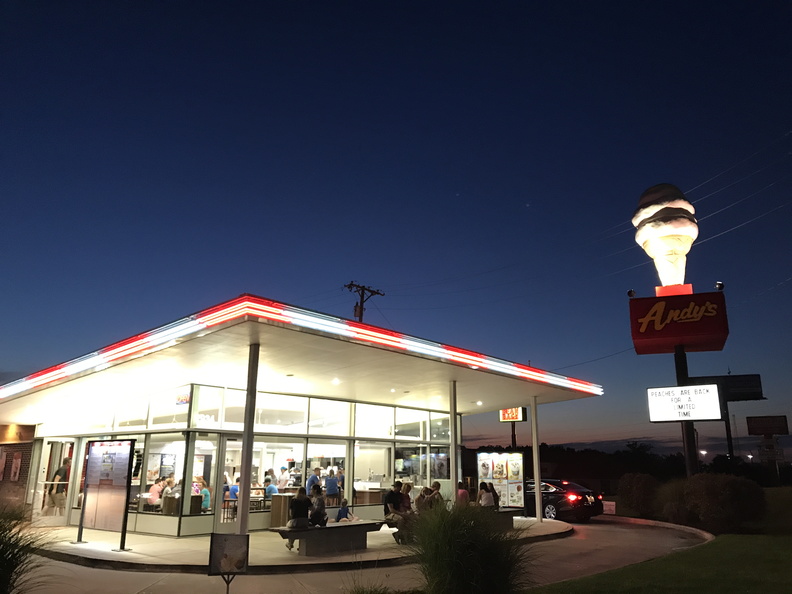
Back in March during our southwest road trip we had visited Four Corners. On this trip we wanted to stand on three states: Kansas, Missouri, and Oklahoma. At this point we were racing the sun because the “monument” was (according to Google Maps) down a dirt road in a clearing in the woods and was not lit. We crossed the Missouri border at 7:45 and made it to the three states area at 8:30pm. There was still enough light to get our family photo with each of us in a different state. Heading east again on I-44, we stopped for ice cream at Andy’s in Joplin. We finally made it to our hotel in Springfield by 10:15pm. So it was a long driving day, but we hit five states!
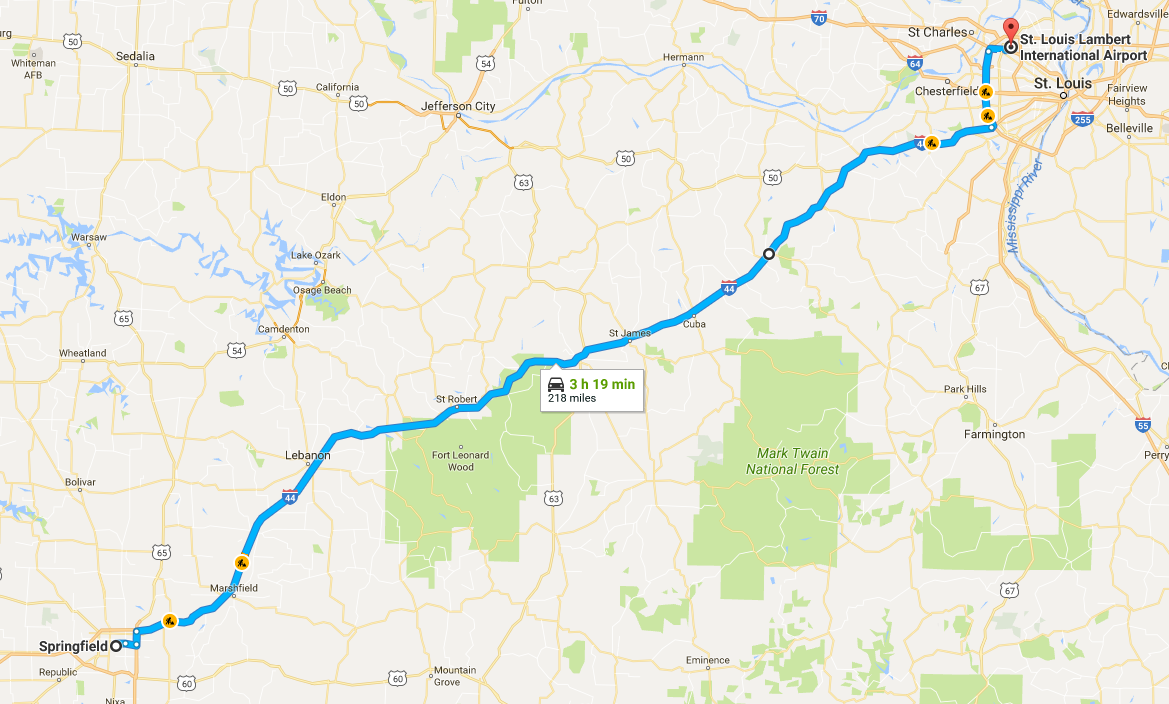
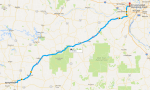
Sunday morning we were on the road by 8:15am because I had a 1:00pm flight home out of St. Louis. We got to Lambert by 11:45am so I had no problems making it to the plane. However, I was delayed in Atlanta and didn’t make it home until 8:00pm.
So I’m back, but my wife and daughter still have a few days of driving (and four more college visits) ahead of them.
-
-
stand in three states
-
-
Andy’s Ice Cream
-
-
Saturday driving route
-
-
Sunday driving route