Let’s Encrypt! Switching to HTTPS …

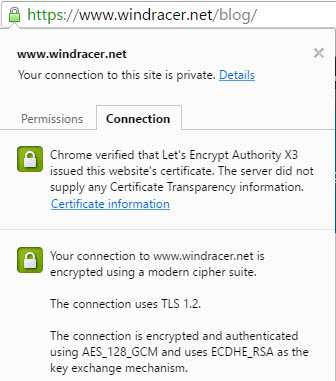
Let's Encrypt SSLYou may notice something different about ‘chmod 644’ today … a green HTTPS padlock in your browser’s address bar. That’s because my domain is now using an SSL certificate from Let’s Encrypt.

The Let’s Encrypt project is a certificate authority (CA) that aims to bring free and open encryption to the web. I first heard about it back in 2014 on episode #483 of Steve Gibson’s Security Now! podcast. The project went into public beta in December 2015 and at the time I played around with generating a certificate but then got busy and never ended up actually using it. Certificates issued by Let’s Encrypt need to be renewed every 90 days so in early March (shortly after the 1 millionth certificate was issued) I received a notification that it was going to expire and, since I still didn’t have the time to properly implement SSL, I just let it.

Finally, the other week, I had some time and decided to give it another go, starting from scratch.

Read more

Linux on Windows 10

The latest Fast Ring Insider Preview build of Windows 10 (14316) includes the new Windows Subsystem for Linux (WSL) that Microsoft announced at their Build conference last week. I have to admit, I kind of enjoy being able to open a bash prompt on my PC and using Linux commands to interact with the file system, use vi to edit files (yes, I use vi!), and running shell scripts. I haven’t had a lot of time to use it in-depth but it will be interesting to see what kind of cool stuff can be done with this.

bash shell under Windows 10


Microsoft Surface Pro 4

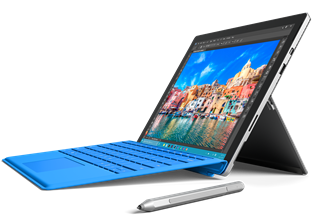
Surface Pro 4At work we’ve been using Microsoft’s Surface Pro since its original release and it has been our standard issue laptop since last year, starting with the Surface Pro 3. Moving forward, we’ve starting deploying the latest Surface Pro 4 with Windows 10. I’ve been using the SP4 for the past week as my primary machine in the office and other than some obvious hardware enhancements and some cool new features, it’s pretty much the same as the SP3 (and in fact, this post will pretty much be the same as the one I wrote back then).

Read more

Waking the Wily Werewolf

I’m not sure how I let late October pass by without upgrading my Linux server! Ubuntu 15.10 (Wily Werewolf) was released back on October 22 and somehow (still not sure how) I completely missed it. So today I did the first ‘do-release-upgrade’ on the NUC (since I clean installed Vivid back in July). This one was pretty smooth, not a problem to speak of!

So now I’m good until April 2016, when Xenial Xerus will come out.

Building the PiDP-8

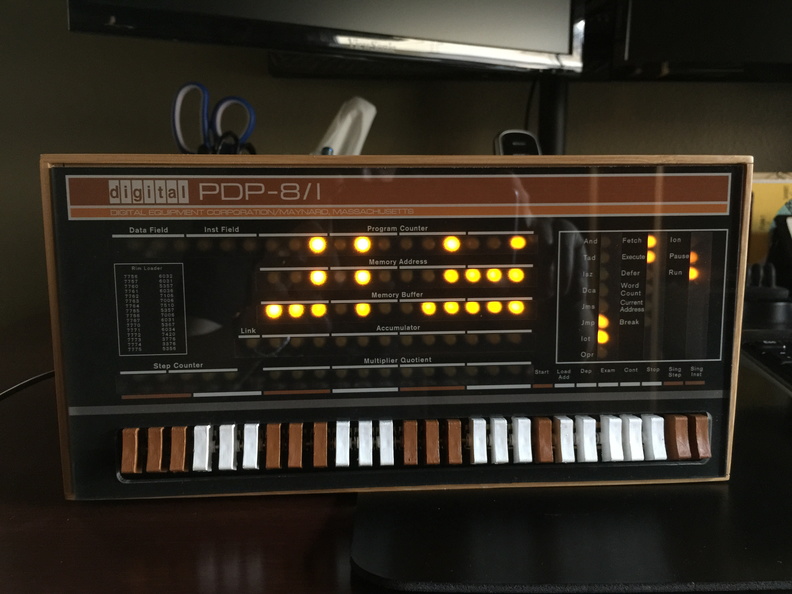
my finished PiDP-8 kitI’m a computer guy, and while I’m not quite old enough to have first-hand experience with classic golden age hardware like the PDP-8, I spent a good deal of time in college working on the VAX, still own my first computer, and have an appreciation for those forefathers of the amazing PCs and servers we use today.

Back in 2009 (episode #177 of the Security Now! podcast), Steve Gibson mentioned Bob Armstrong’s PDP-8/E-like front panel for his SBC1620 single-board computer. Watch any episode of Security Now! since then and you can see three of those units with their blinking lights over Steve’s left shoulder. The kit was expensive, though, and I couldn’t justify the cost or effort necessary to procure the necessary parts for a system I could really only use for eye candy.

Fast forward 8 years or so to this past April, where in episode #505 of Security Now!, Steve mentioned Oscar Vermeulen’s PDP-8/I kit, based on the Raspberry Pi, available for under $200. After just a few minutes of browsing the pages on Obsolescence Guaranteed, I immediately joined the mailing list …

Read more

Windows 10

It’s Windows 10 release day! The free upgrade for qualified devices is now available to the general public.

I’ve been using Microsoft’s latest desktop OS since the first Technical Preview was released for Windows Insiders last October, mainly on my old original Surface Pro 1 just to get a jump on learning the new software and seeing how it progressed. For the past two weeks I’ve been running the final builds on my new main home PC and the transition from Windows 7 has been pretty smooth. It’s definitely grown on me since that first tech preview.

We won’t be upgrading our Windows 7/8.1 PCs at work to Windows 10 anytime soon, but now that it’s officially released I’m sure we’ll start seeing new PCs with it pre-installed showing up soon. Luckily, so far it seems like Windows 10 will be an easy transition. Time, as always, will tell.

Intel NUCs

Since getting my standing desk at home last last year I’ve been thinking about getting a new, smaller PC that would fit on top of my desk instead of under it (like my old Dell Inspiron from 2008), eliminating cable clutter.  With the upcoming release of Windows 10 I had been thinking more about this and also replacing my Aspire Revo Linux server with a newer box. The nettop had the benefit of being small and quiet, although slightly underpowered, which made it a decent “server” to hide away in my networking closet. Using size, features, and cost as my guides, I decided to go with Intel NUCs for both replacements.

Read more

From Vegas to Vivid Vervet

It’s late April which means time for another Ubuntu upgrade … 15.04, Vivid Vervet.

I downloaded the new release via “do-release-upgrade -d” last Friday, which took about 2 hours. Since I was leaving for Las Vegas the next morning, I didn’t want to reboot the server and run into problems before being out of town for four days, so I left it and then finished the upgrade tonight.

For the most part, everything worked, as expected after the reboot (and re-applying some customizations to affected configuration files). The biggest hiccup was due to the switch from upstart to systemd for the init system. Some of my services (AirVideo HD, Calibre, Pulseway, and UniFi) hadn’t started automatically (and wouldn’t start through systemd). I had to do some Google searching and put together .service files and clean up old init.d scripts but eventually got it all working. Also, my Plex Media Server package was completely removed during the upgrade for some reason so I had to re-install that (luckily all the database stuff was still present so I didn’t have to rebuild my library).

Microsoft Surface Pro 3

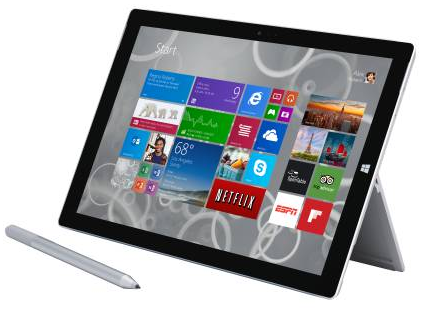
Surface Pro 3We’ve decided to give the Microsoft Surface another shot as our next “standard issue laptop” at work so I now have a Surface Pro 3 tablet. The SP3 is replacing my Samsung Ativ Book9 ultrabook, which I got in April 2014, in turn replacing my original Surface Pro. I’ve been using it now for two weeks as my main machine at work, so how does it stack up against the ultrabook and the original Surface? Some things change, some things stay the same …

Read more